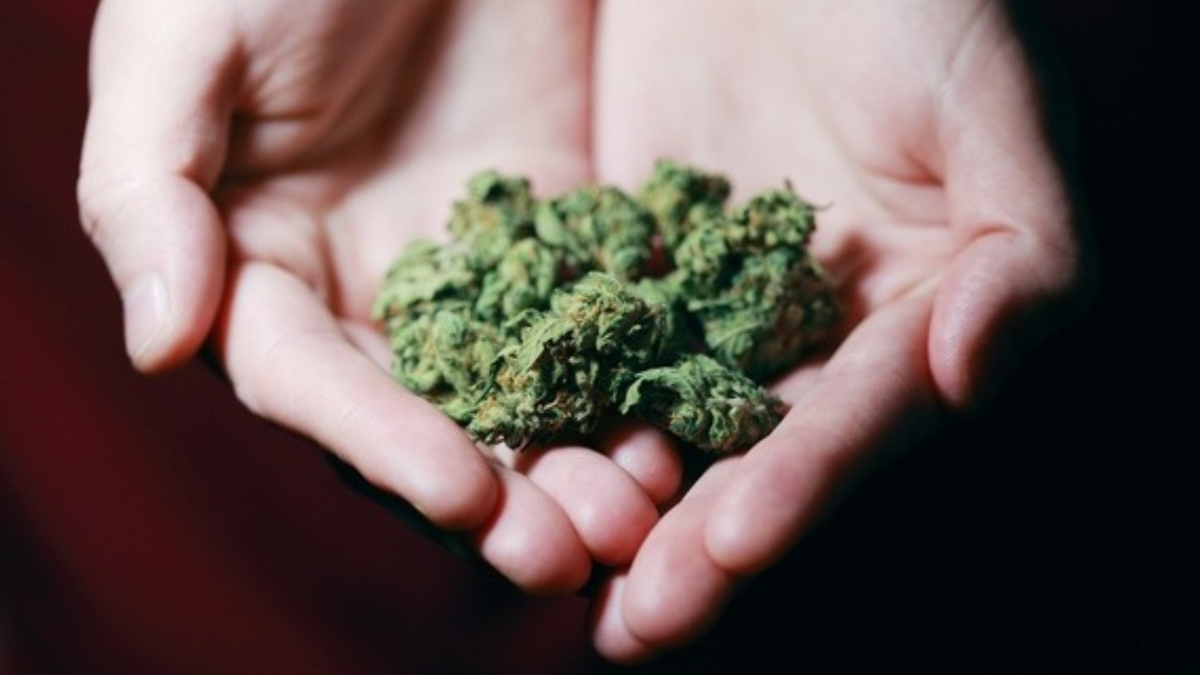
Cannabis has been used in traditional medicine for centuries. In recent years, scientific research has increased interest in the possible therapeutic uses of cannabis and its active compounds.
The cannabis plant contains many chemical compounds, including cannabinoids. Two of the most widely studied are tetrahydrocannabinol (THC) and cannabidiol (CBD). THC can produce psychoactive effects, while CBD does not cause the same intoxicating effect.
Cannabinoids interact with the body’s endocannabinoid system, which plays a role in regulating functions such as mood, sleep, appetite and pain. However, this does not mean cannabis is a proven or suitable treatment for every condition.
Here are 10 areas where cannabis and medicinal cannabis are being researched, along with what is currently understood about their potential benefits and limitations.
1. Chronic Pain
One of the most widely researched uses of medicinal cannabis is the management of chronic pain.
The endocannabinoid system is involved in how the body processes pain signals. Some medicinal cannabis products may provide modest relief for certain types of chronic pain, although results vary between individuals and products.
The balance of THC and CBD, the dosage and the type of product can all influence its effects. Medicinal cannabis is not considered a first-line treatment for chronic pain in Australia and should only be considered with medical guidance when other treatments have not been suitable or effective.
2. Nausea And Vomiting
Certain cannabinoid medicines can help manage nausea and vomiting, particularly symptoms associated with chemotherapy.
Dronabinol, a medicine containing a synthetic form of THC, has been approved for specific medical uses in the United States. This is different from using cannabis itself, and the results of research into one medicine cannot automatically be applied to every cannabis product.
Anyone experiencing persistent nausea or vomiting should seek medical advice to identify the cause and discuss appropriate treatment options.
3. Brain And Nerve Health
Cannabinoids are being studied for their possible effects on the brain and nervous system.
Some research has explored whether certain cannabinoids may have neuroprotective properties. However, there is not enough reliable evidence to conclude that cannabis protects brain cells or prevents brain damage in people.
THC can also affect memory, concentration, coordination and judgement. Its effects may be particularly concerning for young people, whose brains are still developing.
4. Sleep
Sleep is another area of interest in medicinal cannabis research.
Some people report that cannabis helps them relax or fall asleep. However, research into its effectiveness for insomnia and other sleep disorders remains limited, and the effects can vary depending on the product and the individual.
THC-containing products may cause drowsiness, but this does not necessarily mean they improve overall sleep quality. Regular use may also lead to tolerance or other unwanted effects.
If sleep problems persist, it is important to discuss them with a healthcare professional.
5. Depression, Anxiety And PTSD
Cannabis is sometimes used by people seeking relief from anxiety, depression and symptoms associated with post-traumatic stress disorder (PTSD).
However, the evidence is not strong enough to recommend cannabis as a treatment for these mental health conditions. THC can increase anxiety, cause confusion and, in some people, contribute to paranoia or psychosis.
CBD is being investigated for possible effects on anxiety, but more research is needed to establish its safety and effectiveness for different conditions.
People experiencing depression, anxiety or PTSD should speak with a qualified healthcare professional about evidence-based treatment options rather than relying on cannabis.
6. Brain Development And Cognitive Function
Cannabinoids interact with receptors in the brain that are involved in memory, learning and other important functions.
Although researchers are studying these interactions, there is no reliable evidence that cannabis stimulates brain growth or improves learning capacity.
In fact, THC can impair memory, attention and decision-making. Frequent cannabis use, particularly during adolescence and young adulthood, may be associated with problems involving cognitive development and mental health.
It is important to distinguish research into the endocannabinoid system from claims that using cannabis improves brain function.
7. Appetite And Nausea-Related Weight Loss
Cannabis can influence appetite, and THC is known to increase hunger in some people.
This effect has been studied in relation to people experiencing appetite loss and weight changes during serious illnesses, including cancer and HIV.
Some cannabinoid medicines may help with appetite or nausea in particular clinical circumstances. However, results vary, and cannabis is not a general treatment for appetite problems or unexplained weight loss.
Anyone experiencing ongoing appetite changes should discuss the cause with their healthcare professional.
8. Antioxidant Properties
Some cannabinoids and other compounds found in cannabis have demonstrated antioxidant activity in laboratory research.
Antioxidants help protect cells from damage caused by oxidative stress. However, finding antioxidant activity in a laboratory does not establish that consuming cannabis provides meaningful health benefits in people.
More research is needed to understand whether these properties have any practical therapeutic value.
9. Inflammation
The endocannabinoid system plays a role in regulating immune responses and inflammation.
Researchers are investigating whether cannabinoids may influence inflammatory processes and whether particular medicinal cannabis products could help with certain inflammatory conditions.
Although early research is of interest, evidence remains limited for many proposed uses. Cannabis should not be considered a proven treatment for inflammation or inflammatory diseases.
10. Lung Function
The way cannabis is taken is important when considering its potential effects on health.
Smoking cannabis exposes the lungs to smoke and respiratory irritants. Regular smoking can cause coughing, wheezing and symptoms of chronic bronchitis.
Although non-smoked medicinal cannabis products are available, there is no sound basis for claiming that consuming cannabis improves lung function or treats asthma.
People with respiratory conditions should seek advice from their healthcare professional before considering any cannabis-based medicine.
Supporting Health And Wellness With Accurate Information
Research into cannabis and its active compounds continues to develop. There is evidence that certain medicinal cannabis products may help with specific symptoms and medical conditions, but the benefits depend on the product, the condition being treated and the individual.
In Australia, medicinal cannabis is regulated and generally requires a prescription from an authorised healthcare professional. Many products available are unapproved therapeutic goods, meaning they have not been assessed by the Therapeutic Goods Administration (TGA) for safety, quality and effectiveness.
Medicinal cannabis can also cause side effects, interact with other medicines and affect concentration and driving ability. It is not recommended as a first-line treatment for any health condition.
If you are considering medicinal cannabis, speak with your doctor or another qualified healthcare professional about the potential benefits, risks and alternatives. Reliable information and individual medical advice are essential when making decisions about your health.
Discover More About Holistic Living
You can find much more information on living a holistic lifestyle in these FREE magazines and on our YouTube channel.
Author Bio: Tess DiNapoli is a freelance writer for businesses like Enjoyable CBD. She often writes about health and wellness and has a passion for yoga. She also enjoys covering the fashion industry and the world of fitness.