Acute pain is a normal sensation that alerts us to a possible injury, while chronic pain persists for months or even years. Chronic pain may develop following an initial injury or an ongoing health condition, although sometimes there is no clear underlying cause.
Because chronic pain can affect different parts of the body and arise for many reasons, patients and healthcare professionals need to work together to identify possible causes and find suitable ways to manage it.
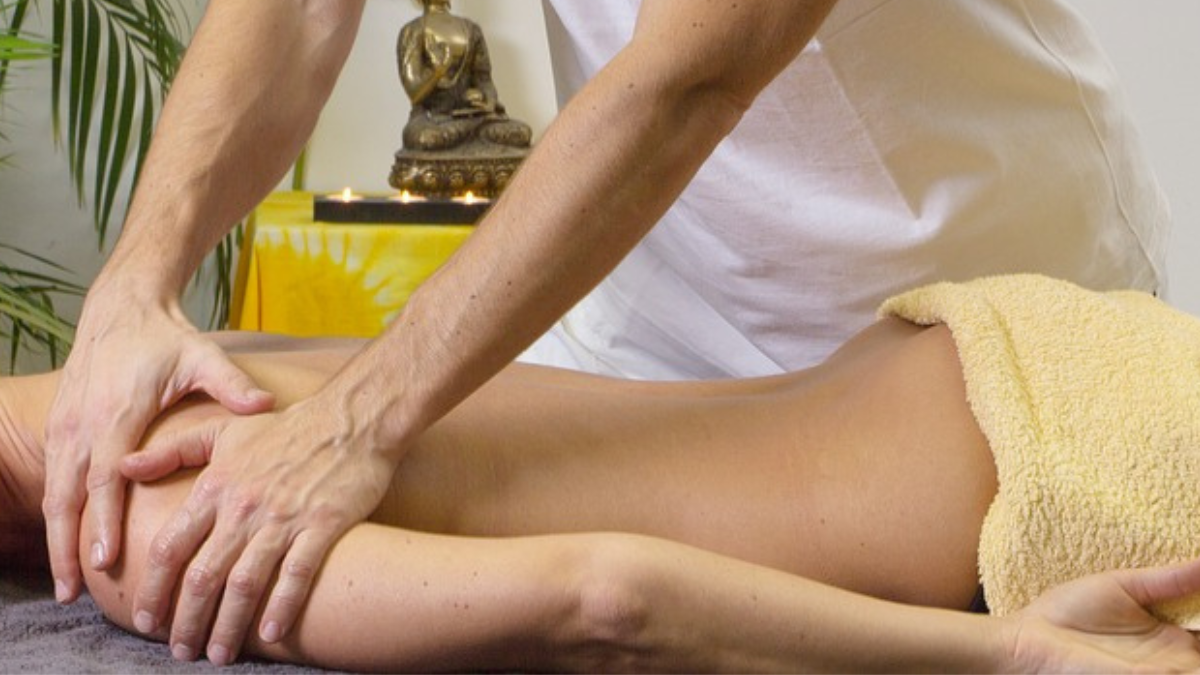
Although many chronic pain conditions have no simple cure, therapeutic massage may be a helpful option for relieving discomfort and supporting pain management. Learn more about What’s Chronic Pain in our FREE Holistic Magazine.
Chronic pain can interfere with everyday activities and prevent you from doing the things you need or enjoy. For some people, massage therapy may help improve comfort, relaxation and mobility.
Research suggests that regular massage sessions may provide short-term relief for certain types of chronic pain.
Chronic pain is also frequently accompanied by anxiety, sleep difficulties and low mood. Therapeutic massage may help address some of these associated symptoms by encouraging relaxation and reducing muscle tension.
Here are six potential benefits of therapeutic massage for people experiencing chronic pain.
1. Massage Promotes Relaxation
One of the best-known benefits of therapeutic massage is relaxation. The gentle, flowing movements and carefully applied pressure can help ease muscle tension and encourage a sense of wellbeing.
Massage may help activate the parasympathetic nervous system, which is responsible for the body’s rest-and-digest response. This can encourage relaxation and help counteract the physical effects of stress.
For people living with chronic pain, taking time to relax can be an important part of an overall pain management approach.
2. Massage Supports Circulation
Massage stimulates local circulation in the areas being treated and encourages relaxation of the surrounding muscles and soft tissues.
It also involves gentle movement and pressure that may support the movement of lymph fluid through the body. The lymphatic system plays an important role in immune function and fluid balance.
Improved local circulation can help deliver oxygen and nutrients to tissues, while the relaxing effects of massage may help reduce feelings of physical tension.
3. Massage May Encourage The Release Of Feel-Good Chemicals
Research suggests that massage may influence the body’s stress and pain responses.
It may be associated with changes in certain chemicals and hormones involved in mood and wellbeing, including serotonin. These changes may help explain why some people experience improved mood and relaxation following a massage.
Massage may also help reduce the perception of discomfort by providing soothing sensory input.
4. Massage May Improve Mobility
Muscle tension and stiffness can make everyday movements difficult, particularly for people living with chronic pain or conditions such as arthritis.
Therapeutic massage may help relax tight muscles and surrounding soft tissues, making movement more comfortable for some people.
It may also help improve flexibility and range of motion when combined with appropriate movement and exercise.
The type and pressure of massage should always be adapted to the individual’s condition and comfort level.
5. Massage May Reduce Feelings Of Fatigue And Low Mood
Living with ongoing pain can be exhausting. It can affect sleep, increase stress and contribute to feelings of frustration, anxiety and depression.
Massage therapy may help reduce stress and encourage relaxation, potentially supporting better sleep and an improved sense of wellbeing.
While massage is not a treatment or cure for depression, some people find it beneficial as part of a broader approach to managing the emotional and physical challenges associated with chronic pain.
6. Massage Has Psychological Benefits
The psychological benefits of massage are also worth considering.
For people living with chronic pain, having time to relax in a comfortable and supportive environment can help reduce stress and promote a greater sense of wellbeing.
Massage may help ease feelings of anxiety, improve mood and provide a welcome break from the daily challenges of living with ongoing discomfort.
When delivered appropriately, therapeutic massage can be a valuable complementary approach to supporting relaxation, comfort and quality of life.
Before undergoing therapeutic massage, people living with chronic pain should consult their doctor or healthcare professional to determine whether massage is suitable for their particular condition.
Once you have discussed your options, look for a suitably qualified and insured massage therapist with professional training and experience working with people who have chronic pain.
It is also important to choose a therapist who listens to your concerns, understands your needs and adapts the treatment to your comfort level.
You can find much more information on living a holistic lifestyle in these free magazines and on our YouTube channel.
Author Bio
Marc Innes is the Owner and Principal of the School of Natural Therapies, a training school for massage and holistic therapies located in London.
Marc began his career in the NHS, working in a number of managerial and training roles within the Ambulance Service in London. He spent much of that time educating and coaching medical staff.
Over time, he developed an interest in complementary approaches to conventional medicine, particularly Reiki Healing and EFT. This interest eventually led him to establish a successful teaching and energy healing practice.
Marc is passionate about the massage and complementary therapy industry.